Packing
Fragile things break from movement, not impact
Most damage to items in luggage comes from repeated small shifts inside the bag rather than from a single drop, which changes how they should be protected.

Wrapping a fragile object in more padding is the instinctive response. The more effective one is preventing the object from moving at all, because movement is what breaks things.
A bag is a container of loose mass
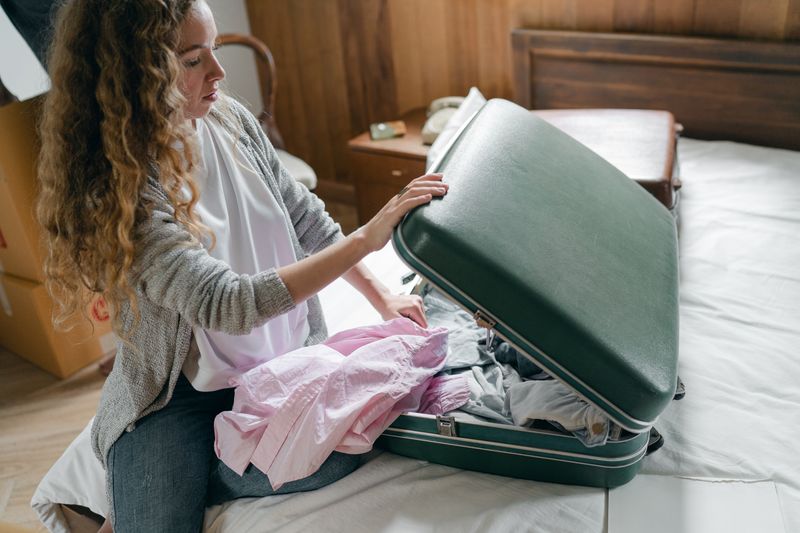
Luggage is tipped, slid, stacked and thrown throughout its journey. Anything with space around it accelerates within the bag and stops against something harder than itself.
The forces involved are modest individually. Repeated over several hours of handling, they produce chipped ceramics and cracked screens without any single dramatic event.
This is why a well-padded item in a half-empty case fares worse than an unpadded one wedged tightly between clothes. Restraint matters more than cushioning.
Fill the voids before adding padding
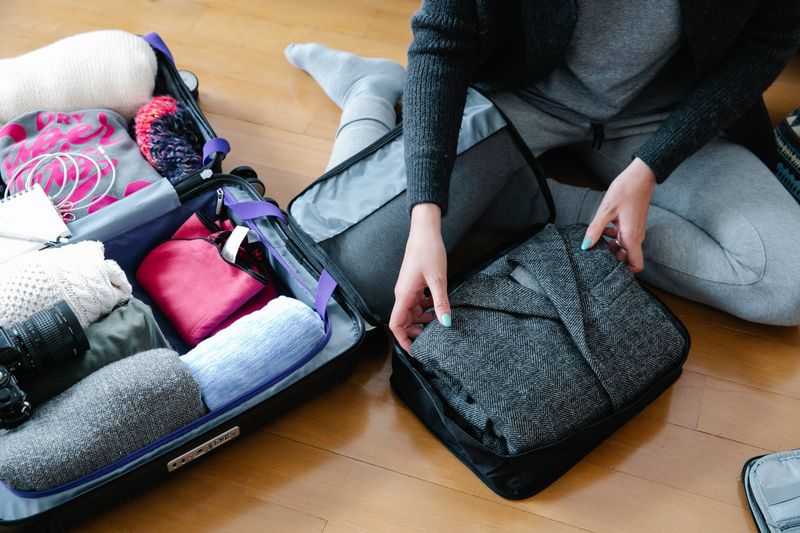
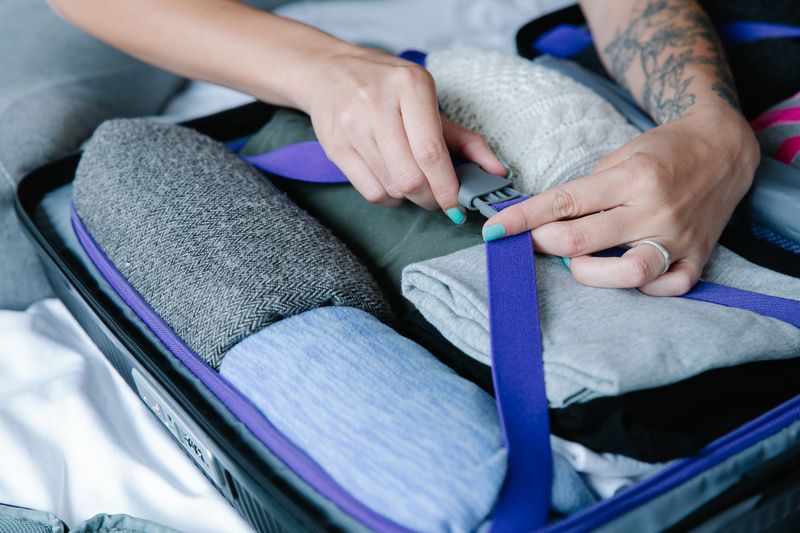
The first task is eliminating empty space. Soft clothing packed around and under an object leaves it nowhere to travel, which removes most of the energy from the equation.
Padding then handles what remains, which is the shock transmitted through the bag wall. A few millimetres of compressible material does this adequately once movement is controlled.
Placing fragile items in the centre of the case, away from the walls and corners, uses the surrounding contents as the actual protective layer.
Pressure and temperature act on the contents too
Holds are pressurised but not to ground level, so sealed containers expand. Bottles that were full at sea level can leak or burst at altitude.
Temperature swings affect adhesives, batteries and anything containing liquid that can freeze. A bag can sit on an apron in extreme conditions before loading.
Sealing liquids in a bag inside the case addresses the consequence rather than the cause, and it is the only step that reliably protects everything else in the luggage.
Some items should not be in the hold
Carriers commonly exclude liability for fragile and valuable goods in checked baggage, which means a broken item is a loss without a claim.
Musical instruments, optics and anything irreplaceable are therefore cabin items regardless of how well they could be packed, because the protection being lost is legal rather than physical.
Where an item is too large for the cabin, a fragile label is worth requesting but should not be relied on, since it changes handling intent rather than the handling system.
Shipping is a genuine alternative
For objects bought during a trip, a courier with insured transit costs less than an excess baggage charge on many routes and applies packaging designed for the item.
The trade is time and paperwork, particularly across a customs border, but the object arrives in a box built for it rather than in a case built for clothes.
Questions readers ask
Should I use a packing app?
Any tool works if you open it. The mechanism that matters is reviewing after the trip, not the format of the list.
How do I stop forgetting the same thing?
Add it to a standing list the moment you notice, at the destination rather than at home, while the memory is still specific.