Packing
The one-bag rule is a constraint, not an achievement
Travelling with a single bag is not about minimalism. It is about removing an entire category of failure from every journey.
Treat the sections below as a sequence. With travelling with one bag, getting the early decisions right makes the later ones much easier.
Before you start
- Checked baggage introduces delay, loss risk and a hard dependency on the airline.
- The binding constraint is usually volume, not weight.
- A capsule of interchangeable clothing does more work than a large wardrobe.
What one bag actually buys you
You walk off the aircraft and out of the airport, which on a tight connection is the difference between making it and not. Your belongings never travel separately from you, which removes the single most common travel disaster outright.
You can take any train, any bus and any last-minute change of plan without a logistics problem attached. None of this requires owning less; it requires bringing less on this specific trip.
Volume is the constraint, not weight
Most cabin allowances are policed by a sizer at the gate rather than by scales, so a dense bag passes and a bulky one does not. The items that consume volume are shoes, jackets and toiletries, in roughly that order. Reducing to one spare pair of shoes is usually worth more than any amount of rolling versus folding.
On a long trip, weight becomes the binding constraint again on regional aircraft and on carriers that weigh cabin bags at check-in, so it is worth confirming per airline rather than assuming from the last flight.
Build a capsule, not a wardrobe
Choosing a single colour palette means every top works with every bottom, which collapses the number of garments needed. Fabrics that dry overnight let you carry three of something instead of seven, and washing takes ten minutes in a sink.
From the queue, the test is whether any two items in the bag can be worn together; if not, one of them is dead weight. Layers do the work that bulk otherwise does, because three thin ones cover a wider temperature range than one thick one and pack into the gaps rather than dictating the size of the bag.
The laundry decision is the whole trip
Deciding in advance that you will wash halfway through converts a two-week trip into two one-week packing problems. Merino and synthetic base layers make this practical; cotton makes it slow and unpleasant. A small tube of travel detergent and a flat sink plug weigh nothing and replace several kilograms of clothing.
What breaks the plan is a run of one-night stops, since washing needs somewhere to hang things overnight rather than simply a sink to use.
Where one bag stops working
Trips involving formal clothing, specialist equipment, cold-weather gear or children genuinely need more space, and pretending otherwise is a pose. Long trips with radically different climates are the other honest exception. The useful version of the rule is to default to one bag and to decide deliberately when to break it.
On a long trip, buying at the destination is the underused escape route: a cheap coat, a second pair of shoes or a bag for the return leg often costs less than checked-baggage fees in both directions.
The gate is where policies actually apply
Published dimensions and enforced dimensions differ by airline, by route and sometimes by how full the flight is. A bag that is soft-sided and slightly compressible passes situations that a hard shell does not.
On a long trip, personal-item allowances are the part most travellers underuse, and on strict carriers they are what makes one bag viable at all. Enforcement tightens as the cabin fills, so the bag nobody has ever questioned is the one gate-checked on a full aircraft, and boarding in an earlier group is a better hedge than arguing at the desk.
The takeaway
Default to one bag and break the rule on purpose, not by accident.
Pack for the trip you are actually taking, not the one in the photographs.
Questions readers ask
What size bag should I buy?
Around 35 to 40 litres suits most cabin allowances while holding enough for a long trip. Check the specific dimensions of the airlines you use most, not the litre figure.
Do packing cubes help?
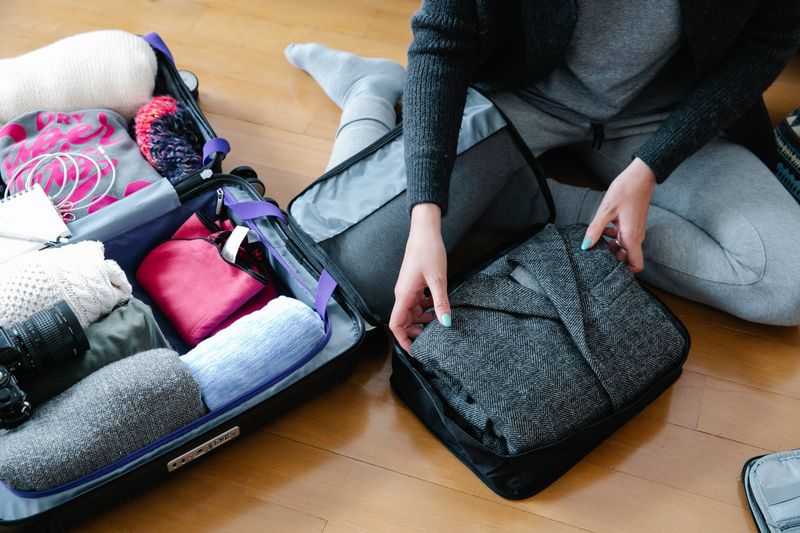
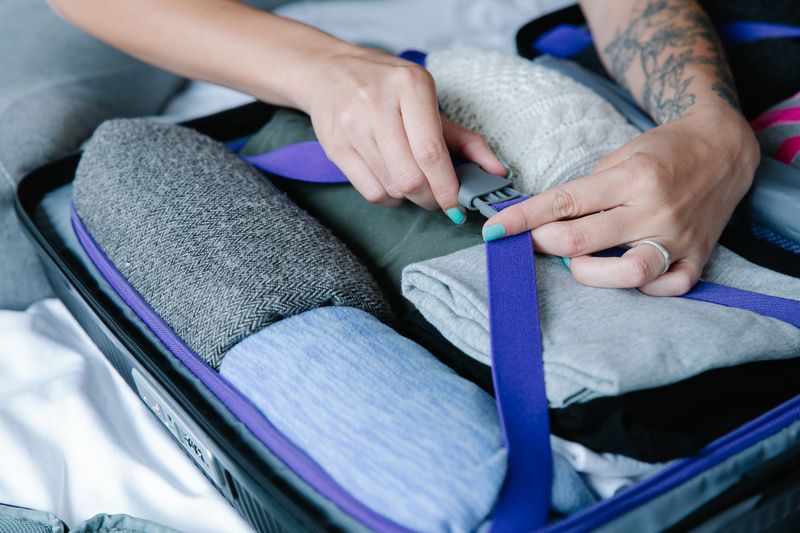
They help organisation more than compression. Compression sacks genuinely reduce volume for soft items; cubes mostly stop the bag becoming a heap.