Packing
Toiletries are the heaviest thing most people decant
A washbag is mostly water by weight, which makes it the fastest place to lose a kilogram without giving anything up.
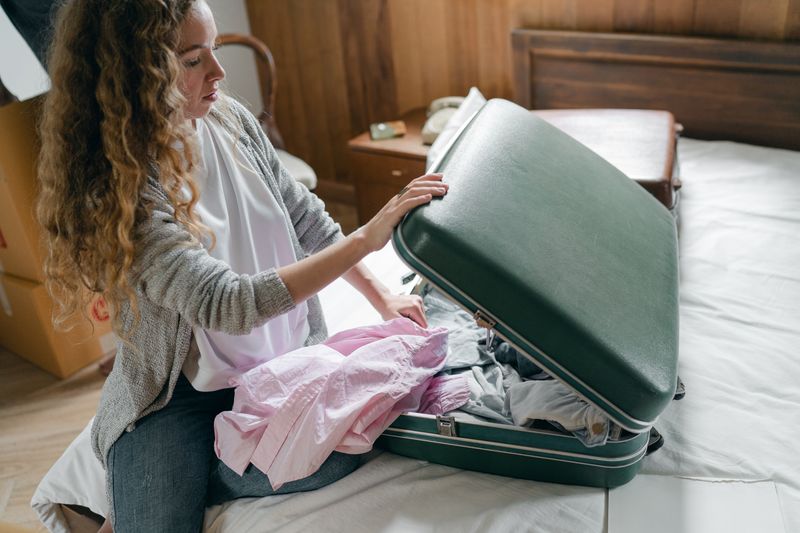
Both approaches to travel toiletries work. What differs is what they cost you, and the cost is what this sets out.
The difference in one place
- Liquid toiletries are largely water, so solids remove both weight and the liquids-rule problem.
- Most trips need a fraction of a full-size bottle, and decanting is the cheapest saving available.
- Cabin pressure changes push liquid out of partly full bottles.
Where the weight actually is
Shampoo, conditioner, shower gel and moisturiser are predominantly water by mass, which you are transporting across a border to a place that already has water. A full-size set can weigh well over a kilogram, which is often more than the clothing it sits beside.
Solid shampoo bars, toothpaste tablets, bar soap and solid deodorant remove that water entirely and take less volume with it. They also sidestep cabin liquid restrictions wherever those still apply, which is a second benefit for the same decision.
Decanting is arithmetic, not minimalism
Work out roughly how much of each product you use in a day and multiply by the length of the trip, and the answer is usually startlingly small. Small refillable bottles, contact lens cases for creams and pill organisers for tablets cover most of a washbag at a fraction of the weight.
In practice, sample sachets are convenient but generate rubbish and often contain more than a single use. The exceptions are things you cannot replace easily at the destination, which deserve full quantities.
Pressure does predictable things to bottles
Cabin pressure falls during climb, so air trapped in a partly full bottle expands and pushes liquid out past the seal. Filling bottles to around three-quarters and squeezing out the excess air before closing them reduces the effect substantially. A screw cap with an inner seal, or a strip of tape over the thread, is more reliable than a flip lid.
In practice, keeping the whole set inside a sealed bag means a leak damages the washbag and not the laptop.
What the accommodation already provides
Hotels above the budget tier almost always supply soap and usually shampoo, so carrying both is duplication for that segment of a trip. Hostels, guesthouses and short-term rentals frequently supply nothing at all, and this varies far more than the price suggests. A quick check of the listing amenities before packing tells you which of the two situations you are in.
Anything you are particular about — a specific sunscreen, a specific razor — should travel with you regardless.
Medication is a different category
Prescription medication should travel in the cabin, in original labelled packaging, with enough for the trip plus a buffer for delays. Some common medicines are restricted or banned in particular countries, and a few require documentation on entry, so the destination rules are worth checking.
A copy of the prescription or a letter from a prescriber resolves most questions at a border and costs nothing to carry. For anything clinical, ask a pharmacist or doctor rather than relying on a general packing article.
Check the current rules for your route before you rely on any of this.
The washbag itself
A hanging washbag solves the recurring problem of bathrooms with no flat surface, which is most bathrooms below a certain price. Transparent or mesh compartments let a screener see the contents without unpacking them. Keep the liquids that must come out for screening in their own removable pouch rather than mixed through the bag.
Weigh the finished washbag once, because the number is usually higher than anyone guesses.
Side by side
| Consideration | What it means in practice |
|---|---|
| Where the weight actually is | Liquid toiletries are largely water, so solids remove both weight and the liquids-rule problem. |
| Decanting is arithmetic, not minimalism | Most trips need a fraction of a full-size bottle, and decanting is the cheapest saving available. |
| Pressure does predictable things to bottles | Cabin pressure changes push liquid out of partly full bottles. |
The takeaway
Weigh the washbag. It is almost always the easiest kilogram in the bag to lose.
The trip goes better when the bag is boring.
Questions readers ask
Do solid toiletries count as liquids at security?
Solid bars, tablets and sticks are generally treated as solids, though screeners can still swab or inspect them. Gels and pastes are liquids regardless of packaging.
How much shampoo do I need for two weeks?
Far less than a full bottle. Measure a normal use once at home into a small container and multiply; most people are carrying several times what they use.