
Trains & Ground
Night buses are cheap because they charge you in sleep
An overnight coach saves a night of accommodation and a day of travel. It pays for both out of the quality of your rest.
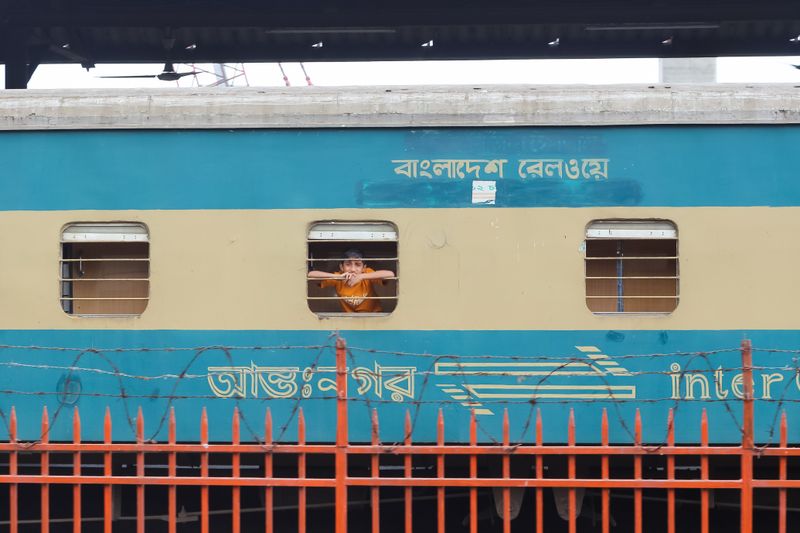
These are listed in the order worth acting on, which with overnight coach travel is not the order they are usually presented in.
What matters most
- Driver rest breaks and border checks interrupt the night by design.
- Recline angle matters more than legroom for sleeping upright.
- The saving is real, and the following day is usually reduced.
The economics
An overnight coach replaces a fare and a hotel night with a single fare, which makes it consistently the cheapest way to cover distance. Operators run the vehicle at night when roads are clear, so the same coach earns revenue around the clock instead of half of it.
That efficiency is passed on partly in the price and partly in the schedule, which is built around the vehicle rather than the passenger. The saving is real money, and on some routes it is the difference between making the trip and staying at home. What it costs does not appear on the ticket, because it is paid the following day in reduced capacity to do anything.
Why sleep is broken by design
Drivers are legally required to rest at intervals in most countries, so the coach stops whether or not passengers are asleep. Those stops are generally at service areas with bright lighting, announcements and people moving up and down the vehicle.
In practice, border crossings on international routes add checks that can require everybody to leave the coach with their documents. Intermediate stops to set down and pick up passengers bring the interior lights on at entirely unpredictable hours. None of this is poor operation; it is precisely what allows the service to exist at that price.
What makes a seat sleepable
Recline angle matters more than legroom, because a nearly upright spine is what keeps waking you through the night. A headrest with side wings stops the head falling sideways, which is the specific movement that interrupts light sleep. Seats over the rear axle move most and seats near the middle move least, which is a suspension property rather than an opinion.
In practice, window seats give you something to lean against, which is worth more overnight than the aisle access you give up. Some operators sell wider seats or deeper recline as a premium class, and on a long overnight leg that is usually money well spent.
The kit that actually helps
An eye mask and earplugs address the two most controllable interruptions, and together they weigh almost nothing. A neck pillow works only if it holds the head against sideways movement rather than simply padding the back of the neck.
From the queue, coaches are frequently cold at night because air conditioning runs continuously, so an extra layer beats hoping for a blanket. A bottle of water matters because the air is dry and the stops do not always fall where you expect them. Anything you need during the night belongs in a small bag at your feet, since hold access is unavailable between stops.
The arrival problem
Overnight coaches often arrive very early, when accommodation check-in is many hours away and almost nothing is open. Coach stations sit on the edge of many cities rather than in the centre, so onward transport is part of the plan rather than an afterthought.
From the queue, left luggage, a station cafe or a paid shower can convert an awkward three hours into a usable morning. Booking a room from the previous night is expensive but guarantees a bed on arrival, which is occasionally the right trade. Planning an undemanding first day is the cheaper version of the same idea and generally works better than optimism.
Allowances vary by fare class more than by airline.
When the night coach is the right choice
It works best on routes where the alternative is an expensive flight and the journey is long enough to fill a whole night. It works badly on journeys of five or six hours, which are too long to sit up comfortably and too short to sleep through. For anyone who sleeps poorly upright, the cost lands entirely on the next day and the saving turns out to be illusory.
On a long trip, on routes with a rail alternative at moderate cost, the train almost always makes the better night. The honest test is whether you would still take it if the following day mattered, and the answer is often no.
Everything above, in order of what to do first
- The economics. An overnight coach replaces a fare and a hotel night with a single fare, which makes it consistently the cheapest way to cover distance.
- Why sleep is broken by design. Drivers are legally required to rest at intervals in most countries, so the coach stops whether or not passengers are asleep.
- What makes a seat sleepable. Recline angle matters more than legroom, because a nearly upright spine is what keeps waking you through the night.
- The kit that actually helps. An eye mask and earplugs address the two most controllable interruptions, and together they weigh almost nothing.
- The arrival problem. Overnight coaches often arrive very early, when accommodation check-in is many hours away and almost nothing is open.
- When the night coach is the right choice. It works best on routes where the alternative is an expensive flight and the journey is long enough to fill a whole night.
The takeaway
Take the night coach for the money it saves, then spend part of that saving on a gentle first day.
Pack for the trip you are actually taking, not the one in the photographs.
Questions readers ask
Can I actually sleep on a coach?
Some people can; most sleep lightly and wake at every stop. Assume broken sleep and plan an undemanding first day.
Is an overnight coach safer than a daytime one?
Roads are quieter but driver fatigue is a genuine factor, which is why rest rules exist. Reputable operators use two drivers on long routes.
Also by Nadia Halloran
- Jet lag has a direction, and that changes what worksTravel Routine
- Rail passes are usually the wrong answer, and sometimes the right oneTrains & Ground
- Hostels, guesthouses and the middle nobody booksWhere You Sleep
- Doing laundry on the road is a planning decisionTravel Routine


