
Where You Sleep
What a hotel room safe actually protects against
In-room safes deter the opportunist and stop very little else, which changes what should go in them.
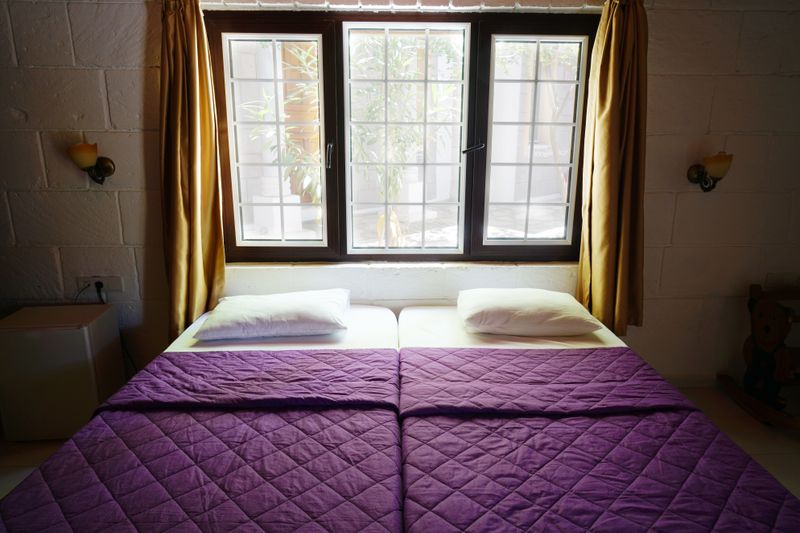
What follows is an argument about hotel room security, and about where the received version of it stops being true.
The argument in brief
- In-room safes are deterrents, and many have master override codes held by staff.
- Travel insurance often requires items to be in a locked safe, which is a separate reason to use one.
- The reception safe or deposit box is generally more secure than the room.
What the safe is for
A room safe removes the casual opportunity: the cleaner, the maintenance visit, the friend of the guest next door, the unlocked door you left for two minutes. It is not designed to resist a determined attack, and the units are typically light enough that removal is a recognised failure mode in some properties.
Most models have an override for the situation where a guest forgets the code, which by definition means staff can open them. Treating it as a deterrent rather than a vault leads to sensible decisions about what goes inside.
Insurance treats it as a condition
Many travel policies exclude theft of valuables from a room unless they were in a locked safe or secure storage. That makes using the safe worthwhile even if you are sceptical about its strength, because it preserves your ability to claim. Policies also frequently cap the amount payable for cash and for single items, which is why high-value electronics may need separate cover.
Read the wording on unattended property before assuming anything left in a room is covered.
Reception safes and deposit boxes
A safe deposit box at reception, where offered, is usually a stronger physical option and is signed for, which creates a record. Signed custody matters more than the metal, since a documented handover changes any subsequent dispute.
In practice, ask for a receipt and check the property's stated liability limit, which is often posted at the desk and is usually low. For genuinely valuable items, the honest answer is not to travel with them.
Splitting is more effective than locking
Keeping cards, cash and identity documents in more than one place means a single loss does not remove everything at once. A spare card and a copy of your passport in the safe, with the working card and the passport on you, is a practical split. The same principle applies within your bags: what is in the room and what is on you should not be the same set.
This costs nothing and protects against the realistic scenarios better than any lock.
Room doors and the practical layer
Use the secondary latch or chain when you are in the room, since it defeats the failure mode of a key card issued twice. Do not display the room number, and do not leave the do-not-disturb sign as a permanent signal that the room is unoccupied.
From the queue, a portable door wedge or lock is a light, cheap addition for anyone staying in properties with unreliable locks. Ground floor rooms with accessible windows deserve a check that the window actually locks.
Shared accommodation
In hostels, the locker and your own padlock are the security layer, and the quality of the padlock is the part you control. A cable lock securing a bag to a fixed point deters removal where lockers are too small for luggage. Anything irreplaceable should be on your person, including while sleeping, which is why a small pouch is standard among long-term travellers.
From the queue, most losses in shared accommodation are opportunistic, which means visible effort is a real deterrent.
The takeaway
Use the safe because your policy requires it, split what matters across two places, and use the latch at night.
Pack for the trip you are actually taking, not the one in the photographs.
Questions readers ask
Are hotel safes actually safe?
Against opportunistic theft, largely yes. Against a determined attempt, no, and many have staff override codes. Use them, but do not treat them as a vault.
Should I leave my passport in the safe?
It depends on whether local law requires you to carry identification, which varies by country. Where it does not, a copy on you and the original locked away is a reasonable split.
Also by Greta Lindqvist
- Card fees abroad: the three charges nobody separatesBooking & Money
- What travel insurance actually declines, and whyBooking & Money
- How to judge a hotel from the listing without staying in itWhere You Sleep
- Why the same flight costs different amounts in different countriesBooking & Money


