
Trains & Ground
Regional trains are a different product from intercity ones
The same network runs two kinds of train with opposite priorities. Treating them as interchangeable is how a journey takes twice as long as expected.
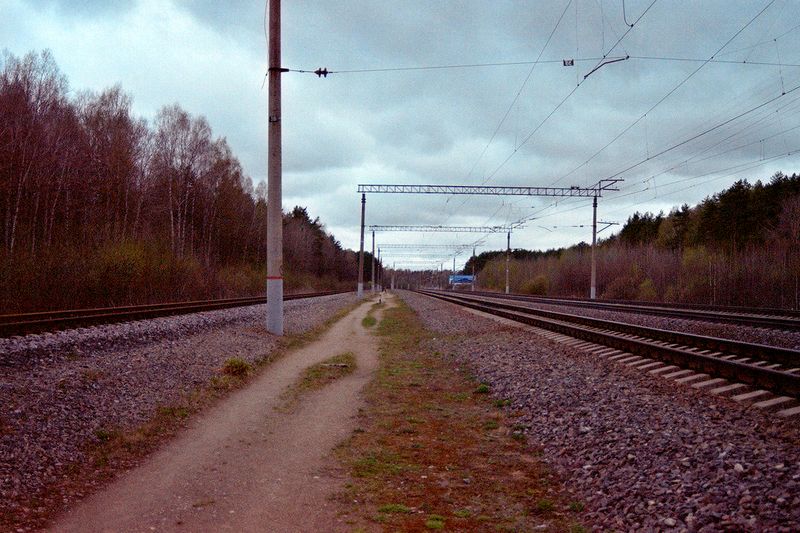
Treat the sections below as a sequence. With regional rail services, getting the early decisions right makes the later ones much easier.
Before you start
- Regional services are optimised for access rather than for speed.
- Fares, reservations and validation rules often differ between the two.
- A slower train can win once waiting time is included in the comparison.
Two designs, one network
Intercity services connect large centres with few stops, higher speeds and seats designed for hours rather than for minutes. Regional services exist to make small places reachable, so they stop frequently and spend more time accelerating than cruising.
The rolling stock reflects that difference, with more doors, more standing space and considerably less luggage storage. A journey that looks similar on a map can take twice as long depending on which of the two products operates it. Neither is worse than the other; they are solving different problems using the same rails.
Fares and how they are sold
Intercity fares are often yield-managed, so booking early is cheaper and the ticket is tied to one named departure. Regional fares are frequently flat and distance-based, valid on any train that day, which makes them flexible but rarely discounted. That difference means advance booking saves real money on one product and achieves nothing at all on the other.
The working rule: where both appear in one journey, the ticketing system decides which rules govern, and it is not always obvious which won. Reading which kind of fare you actually bought is worth doing before you rely on being able to change it.
Validation and the ticket you must stamp
Several countries require open regional tickets to be validated at the platform before boarding, using a machine that stamps a time. An unvalidated ticket is treated as no ticket in those systems, and the penalty applies regardless of what you intended.
The working rule: intercity tickets tied to a named train usually need no validation, because the departure is already printed on them. Mobile tickets follow their own rules, sometimes requiring activation in the app before boarding rather than afterwards. Where the practice is unfamiliar, watching what other passengers do at the platform entrance answers the question in seconds.
When the slow train wins
A regional train running hourly can beat a faster service running twice a day once waiting time is counted properly. Regional services often call at stations closer to where you are actually going, which removes a taxi at the far end.
The working rule: they rarely require reservations, so a missed connection costs you the interval rather than the price of a new ticket. On short hops the speed difference is small, because neither train spends long at its cruising speed.
The comparison that matters is door to door including waiting, not the timetable figure between two named stations.
Comfort and what to expect
Regional seating is designed for shorter journeys, which means firmer seats, less legroom and frequently no tables. Power sockets, wifi and catering are common on intercity services and inconsistent to absent on regional ones. Luggage space is the sharpest difference, since regional stock prioritises doorways and standing room over racks.
Peak commuter periods can leave a regional train standing-room only for the first part of a journey. Knowing this in advance changes what you pack and when you travel far more than it changes the route you take.
Check the current rules for your route before you rely on any of this.
Building a mixed journey
Use intercity services for the long legs where speed compounds, and regional ones at the ends where access matters more. Leave extra connection time when changing from intercity to regional, because regional services are often the last of the evening.
At the airport, check whether a through ticket covers both, since protection across a missed connection depends entirely on that. Where a regional leg is infrequent, plan the whole journey backwards from that departure rather than forwards from home. The infrequent leg is always the constraint, and treating it as one removes most of the risk from the itinerary.
The takeaway
Work out which product runs each leg, then plan the journey around the least frequent one.
The trip goes better when the bag is boring.
Questions readers ask
Is a regional ticket valid on an intercity train?
Usually not, and the difference is enforced. Check what your ticket names before boarding a faster service.
Do I need to validate my ticket?
On some networks, yes, for open regional tickets. If there are machines at the platform entrance, assume the answer is yes.
Also by Ayaan Qureshi
- Overnight trains are accommodation, and should be priced that wayTrains & Ground
- Rail fares are set by three different systems at onceTrains & Ground
- City transport passes are often worse than single faresTrains & Ground
- Land borders are a different queue from an airportTrains & Ground


