
Trains & Ground
Left luggage is the cheapest way to buy back a day
The gap between checkout and departure is dead time only if you are still carrying the bag.
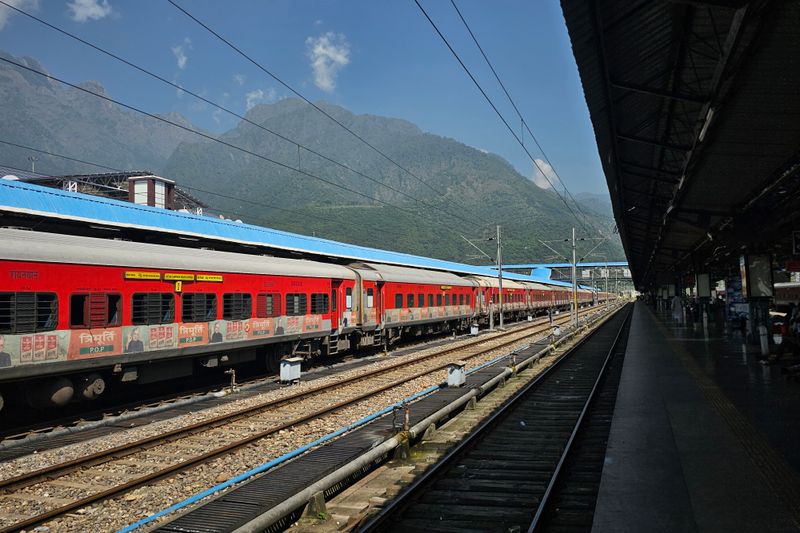
The options around luggage storage are set out side by side below, with the conditions that genuinely favour one over the other.
The difference in one place
- Station and airport lockers are usually priced per bag per day or part day.
- App-based storage networks use shops and hotels and are typically cheaper.
- Security rules mean lockers are sometimes closed or removed with little notice.
The problem it solves
Hotel checkout is usually late morning and departure is often late evening, leaving a full day that most people spend near their luggage rather than using it. Storing the bags converts that day into an ordinary sightseeing day at the cost of a coffee.
The same applies to a long layover between trains, where the alternative is sitting in a station with a suitcase. It is the highest return per unit of money available in travel logistics and is used far less than it should be.
Where to find it
Major railway stations in most countries have either automated lockers or a staffed left luggage office, usually near the concourse. Airports vary: some have facilities landside, some have none at all, and the price is generally higher than a station. App-based networks partner with shops, cafés and hotels, are usually cheaper, and include insurance up to a stated limit.
In practice, your own hotel will almost always hold bags after checkout and before check-in for free, which is the option people forget to ask about.
Pricing behaves differently in each
Automated lockers are priced by size and by time block, and reopening a locker frequently restarts the charge. Staffed offices charge per item per day and are indifferent to size within reason, which favours one large bag over three small ones. App networks charge a flat daily rate per bag regardless of size, which favours large items.
At the airport, consolidating into fewer bags before storing them saves money in two of the three systems.
What can go wrong
Lockers at stations are periodically closed for security reasons, sometimes at short notice and sometimes permanently. Staffed offices keep their own hours, which may close before your evening train, trapping your bag until morning. Confirm the collection deadline before storing anything, since this is the failure that actually costs people money.
Keep documents, medication and valuables with you rather than in storage, both for practical reasons and because cover limits are low.
Using it strategically
On a multi-climate trip, storing the cold-weather half of your kit for the warm section removes weight from several flights. On a long layover, storing bags at the airport and taking the train into the city turns a dead six hours into an afternoon out. For a final day, storing bags near the station you depart from rather than near the hotel saves a return journey.
In practice, booking ahead through an app avoids arriving at a full locker bank, which happens at busy stations in summer.
Border and customs rules are national and are the ones worth double-checking.
Alternatives worth knowing
Luggage shipping services move bags city to city or to the airport, which is common in some countries and expensive in others. Some hotels will hold a bag for several days between two stays, which suits a loop itinerary returning to the same city. Gyms, coworking spaces and some museums offer lockers large enough for a cabin bag.
At the airport, ask before assuming: holding luggage is a normal courtesy in the hospitality trade and is frequently free.
Side by side
| Consideration | What it means in practice |
|---|---|
| The problem it solves | Station and airport lockers are usually priced per bag per day or part day. |
| Where to find it | App-based storage networks use shops and hotels and are typically cheaper. |
| Pricing behaves differently in each | Security rules mean lockers are sometimes closed or removed with little notice. |
The takeaway
Ask the hotel first, book an app locker second, and never spend a last day carrying a suitcase.
Every kilo you leave behind pays you back at the third connection.
Questions readers ask
Is left luggage safe?
Staffed offices and app networks generally carry insurance up to a stated limit, which is low. Keep documents, electronics and medication with you regardless.
Will my hotel hold bags after checkout?
Almost always, and usually at no charge. Ask at breakfast rather than assuming you need a paid service.
Also by Tomas Brenner
- Liquids rules exist because of one specific 2006 plotAirports & Flying
- Connection times: what the minimum actually assumesAirports & Flying
- A seat map tells you more than where you sitAirports & Flying
- Delay rights depend on where you took offAirports & Flying


